No products in the cart.
































Quick answer: Brief scratching or digging before sleep can be part of arranging a resting spot. Possible explanations include comfort and inherited nesting behavior. A new, intense pattern that prevents rest or comes with signs of discomfort needs a closer look.
It’s a funny sight – your dog scratching and pawing at their bed before they lie down and get comfortable. But why do dogs scratch their beds? And why do dogs dig in their bed?
Why do dogs scratch their beds?
While we don’t know for sure why dogs scratch their beds and engage in digging behavior, scientists who study dogs and their behavior have some hypotheses. They believe this behavior is an evolutionary holdover from their wild past, as it could have had many practical reasons back then.Dog Digging Bed Reason #1: Temperature.
Digging and scratching their sleeping area before lying down could have been a way for dogs to control temperature back when they used to sleep out in the wild. Clearing away a layer of snow in the winter, scratching down to a cooler layer of the earth in the summer, or digging a hole to settle into are all ways to help manage temperature for sleep. Huskies are a good example of this. A breed with an innate and intense digging instinct, huskies are known to dig holes in the snow for shelter to sleep in.Dog Digging Bed Reason #2: Comfort.
Just the way you may fluff up your pillow and arrange your comforter just so before getting in bed, your dog may be making their bed more comfortable before lying down, too. Imagine that in the distant past, your dog’s ancestors might have scratched away stones, sticks, and other unpleasant things to sleep on before settling down for the night.Dog Digging Bed Reason #3 Preparing for puppies.
Nesting can occur around pregnancy, but digging alone cannot tell you whether a dog is pregnant or in labor. Ask your veterinarian about new nesting behavior in a dog who might be pregnant.Dog Digging Bed Reason #4: Safety.
When combined with circling, another common pre-bedtime behavior, this could have to do with security. Out in the wild, circling on a patch of grass would help flatten it down, clearing a spot for them to sleep but keeping them concealed by the higher grass around them. Similarly, digging a hole to sleep in would keep them hidden from potential predators.Dog Digging Bed Reason #5: Marking their territory.
Fortunately, there are other ways for your dog to mark their territory besides urinating. One way is by spreading chemicals from the scent glands located on their paws and between the toes. Digging, scratching, and pawing at their bed could be a way to spread these pheromones and let other dogs know that this spot is theirs!Dog Digging Bed Reason #6: Anxiety.
A final reason for the dog scratching the bed could have less to do with evolution and more to do with psychology. Stressed dogs express their anxiety in a variety of ways, from destructive chewing to excessive whining to paw licking and more. Compulsive digging at the bed could be a sign of anxiety, too.How to stop a dog digging bed
Some dogs dig and scratch their beds so – enthusiastically – that it becomes a problem. If your dog’s digging and scratching has destroyed their bed, it’s time to put an end to the habit. You also want to stop this behavior if your dog has taken to scratching and digging at your bed or other furniture. Here are some things you can do.Get your dog their own bed.
If you haven’t yet gotten your pooch a dog bed of their own, now’s the time! Even if they sleep in a crate at night, it’s a good idea to give them a spot that’s theirs for relaxing and snoozing during the day.Provide alternatives.
Offer an appropriate toy, a short activity, or a designated digging area on your own property. Reward calm resting, and supervise any dog who damages fabric or pulls out filling. Remove damaged bedding before the dog can swallow loose material.Address anxiety.
If you think anxiety is the root cause of your dog’s destructive digging, talk to your vet about how to address your dog’s anxiety through lifestyle changes and/or medication.Let sleeping dogs lie (and scratch and dig)
If it’s too much, you can reduce your dog’s bed scratching and digging behavior over time. But most of the time, a dog digging in the bed or scratching at their bed isn’t an issue, just a cute quirk, so there’s no need to interfere. Just enjoy the sight and let them do their thing!Check the bed and your dog’s comfort
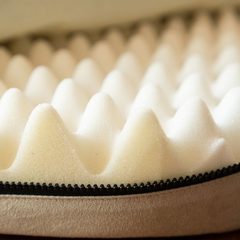
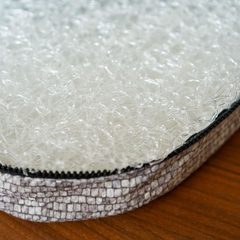
Look for room to turn, seams that need repair, and a surface your dog can settle on comfortably. If your dog repeatedly gets up, seems stiff, or cannot get comfortable, contact your veterinarian. Compare Cozy Cave shapes and mattress options around your dog’s resting position rather than choosing by weight alone.
Sources and further reading
VCA Animal Hospitals: nesting and circling; VCA Animal Hospitals: signs of pain.
 Next read
Why do puppies get hiccups?
Read next →