No products in the cart.



















Quick answer: Bed accidents can come from house-training gaps, marking, stress, or a medical problem. New accidents in a previously house-trained dog need a veterinary check. Leakage while asleep is different from choosing a place to urinate and should not be punished.
Sometimes even housetrained dogs do it – they pee on the bed. Of all the places to go potty in the house, why the bed? If this sounds like your dog, then read on to find out the reasons behind your dog peeing on the bed and what you can do to stop it.
Why do dogs pee on beds? And what to do about it?
There’s no one reason dogs pee on the bed so there’s no one solution to stopping it. The underlying cause could be physical or psychological. Here are some common reasons dogs pee on the bed.Reason #1: Incomplete housetraining.
Dog owners know that housetraining can be a long and challenging process. You may think you’re done with it, but it’s possible your dog still doesn’t know the rules of the house and thinks that peeing on the bed is okay. What to do about it? If your dog is having accidents (of all kinds) around the house, and your bed is just one of the places it happens, then you could have a housetraining issue on your hands. Your best bet is to start housetraining over again from the beginning to establish firm boundaries and house rules with your dog.Reason #2: Incontinence.
Simple urinary incontinence could be the reason your dog pees on the bed. As with humans, incontinence is more common with age, but younger dogs can be incontinent for a variety of reasons. UTIs, urinary stones, prostate problems, spinal injury, hormonal imbalances, and certain medications can all lead to incontinence. What to do about it? If your dog is peeing on the bed regularly – and especially if they’re peeing in their sleep – take a trip to the vet to see if there’s an underlying medical issue to take care of.Reason #3: Marking.
All dogs can engage in marking, or leaving small amounts of urine in multiple places, but it’s more common in dogs that haven’t been spayed or neutered, especially males. And since they’re more likely to mark objects that smell strongly, that means your bed – which smells a lot like you – is a prime candidate for marking. What to do about it: Ask your veterinarian to rule out medical causes and help identify marking. Discuss the individual benefits and limits of spaying or neutering rather than expecting surgery alone to eliminate an established habit. Supervision, cleaning, and rewarding outdoor toileting remain useful.Reason #4: Urination during fear or social interactions.
Some dogs release urine during greetings, excitement, or interactions they find frightening. This does not show that the person needs to assert dominance. Notice what happens just before an accident and keep interactions calm. What to do about it: Avoid scolding or punishment. Reward outdoor toileting promptly, reduce stressful greetings, and discuss repeated accidents with your veterinarian or a qualified reward-based behavior professional.Reason #5: Fear.
When your dog’s afraid, whether from a loud thunderstorm or vacuum cleaner or something else, they may run to your bed because they feel safe and secure there. (Again, your scent is a big part of that.) At the same time, their fear may cause them to pee. What to do about it: Track the situations linked to the accidents and give your dog space from the trigger when possible. Ask your veterinarian for an individualized fear-management plan rather than assuming that a particular garment or bed will resolve the problem.
How to stop my dog from peeing on my bed?
In addition to following the relevant steps above, there are some additional tips to help curb your dog’s bed-peeing behavior.Tip #1: Give your pup plenty of opportunities to go potty outside.
This tip is obvious, but don’t overlook it! Just adding in one short walk to your daily routine or an extra late night potty break could give your dog the chance they need to go and empty their bladder. Different dogs will have different potty break frequency needs, which can also fluctuate during warmer months when they’re drinking more water.Tip #2: Clean urine-soiled areas thoroughly.
Dogs like to return to spots they’ve previously marked to do it again, so after an accident be sure to clean thoroughly to remove the odor – not just for your sake but to help prevent repeat accidents in the same spot. Follow the bedding care label and use a pet-urine enzyme cleaner that is appropriate for the surface, following its directions. Consider getting a washable mattress protector, too, if you don’t already have one.Tip #3: Restrict access to your bed.
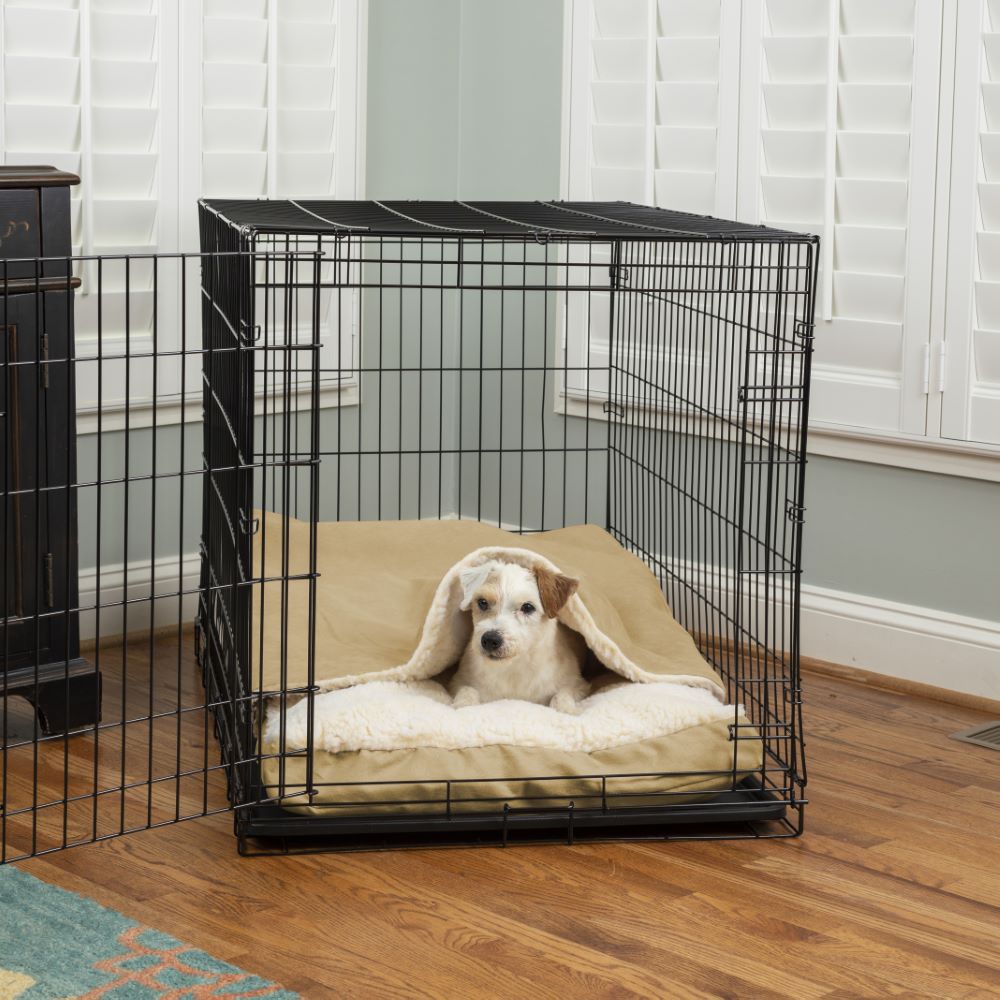
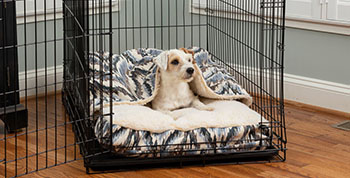
Keep the door to your bedroom closed or keep your dog in a crate or restricted to another part of the house. This won’t address the underlying issue, but will keep your bed pee free!Make cleanup easier while you address the cause
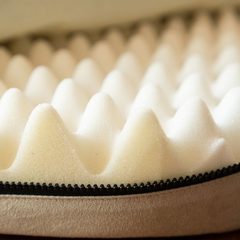
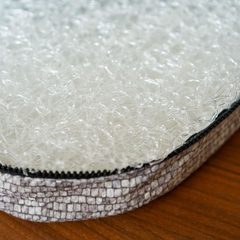
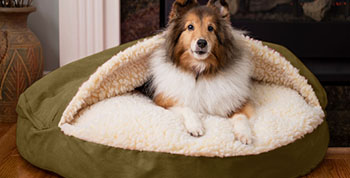
A washable bed can simplify cleanup, but it does not treat incontinence or a house-training problem. Confirm whether the cover, the mattress, or both can be washed. Conventional foam and a fully washable mattress need different care.
Compare standard, orthopedic, and fully washable Cozy Cave mattresses and read the dog-bed washing guide before choosing or cleaning a bed. Check the current product page for availability and the care instructions for your exact model.
When accidents need urgent care
If your dog repeatedly strains to pee and produces little or no urine, seek veterinary care immediately. For wet patches that appear while your dog sleeps, see our guide to urination during sleep and arrange a veterinary assessment.
Sources and further reading
VCA Animal Hospitals: house soiling; VCA Animal Hospitals: urinary incontinence; American College of Veterinary Surgeons: urinary obstruction; AVSAB: humane training.
 Next read
Why do dogs sleep so much?
Read next →