No products in the cart.






























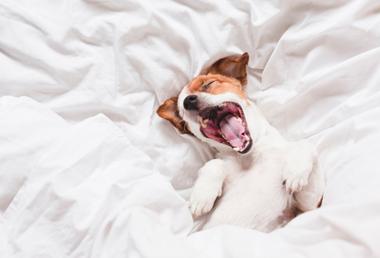
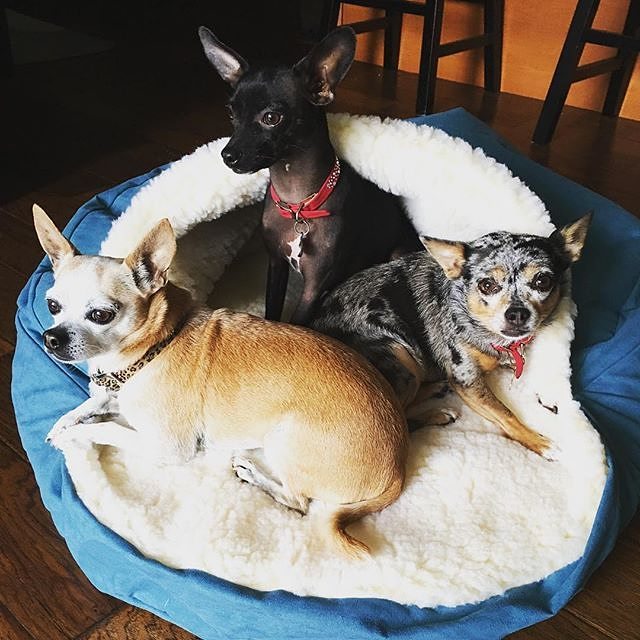
Does your dog bark in their sleep? If so, you might be wondering why this is and if it means anything. Here are some common reasons dogs bark in their sleep.
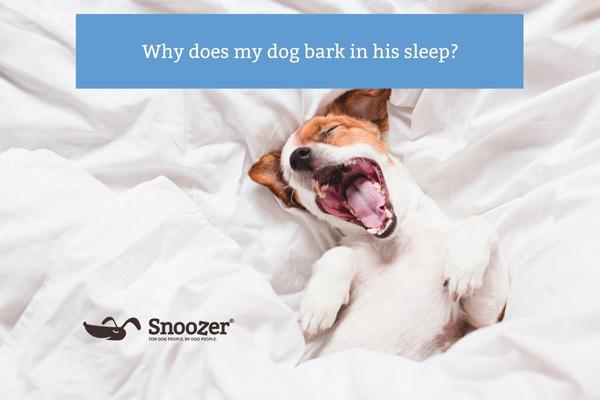
Dogs May Bark in Their Sleep When Dreaming
The most likely reason your dog is barking is because they’re in the middle of a dream. Just as you sometimes see dogs acting out their dreams by “running” with their paws and twitching in their sleep, they may also bark. Brief sleep noises can accompany dreaming, but timing alone does not tell you what is happening. Watch your dog’s overall behavior and compare it with their normal sleeping pattern. A video can help your veterinarian assess unusual episodes. Even if it seems like your dog is barking because they’re having a bad nightmare, don’t wake them up by touching or shaking them. They might snap at you from the surprise of being touched. It’s better to let them wake up on their own.Dogs May Bark in Their Sleep Due to a Sleep Disorder
The reason dogs, humans, and other mammals don’t fully act out their dreams when sleeping is because the brain induces muscle atonia, meaning the muscles of the body don’t work as normal. But in REM Sleep Behavior Disorder (RBD), that mechanism is disrupted, so the sleeper can fully act out their dreams. In dogs, this may mean that they actually get up and walk or run around while dreaming, play with or attack objects, and whine, growl, or bark. RBD in dogs is rare, but it is serious because it’s potentially dangerous to other members in the household. If your dog has this disorder, expect to see other unusual behavior during sleep in addition to barking. If you suspect RBD, make an appointment with your vet so you can get the right treatment for your dog.Dogs May Bark in Their Sleep from Medication
If the barking or unusual sleep behavior starts after a new medication or dose change, contact the prescribing veterinarian. Do not stop, increase, or reduce the medicine on your own, and do not simply wait out a concerning change.Dogs May Bark in Their Sleep from Anxiety
A household change or stressful event may affect rest, but sleep barking by itself does not diagnose anxiety. Discuss new or disruptive episodes with your veterinarian, especially when other behavior changes appear.Give Your Dog a Cozy and Comfortable Place to Sleep
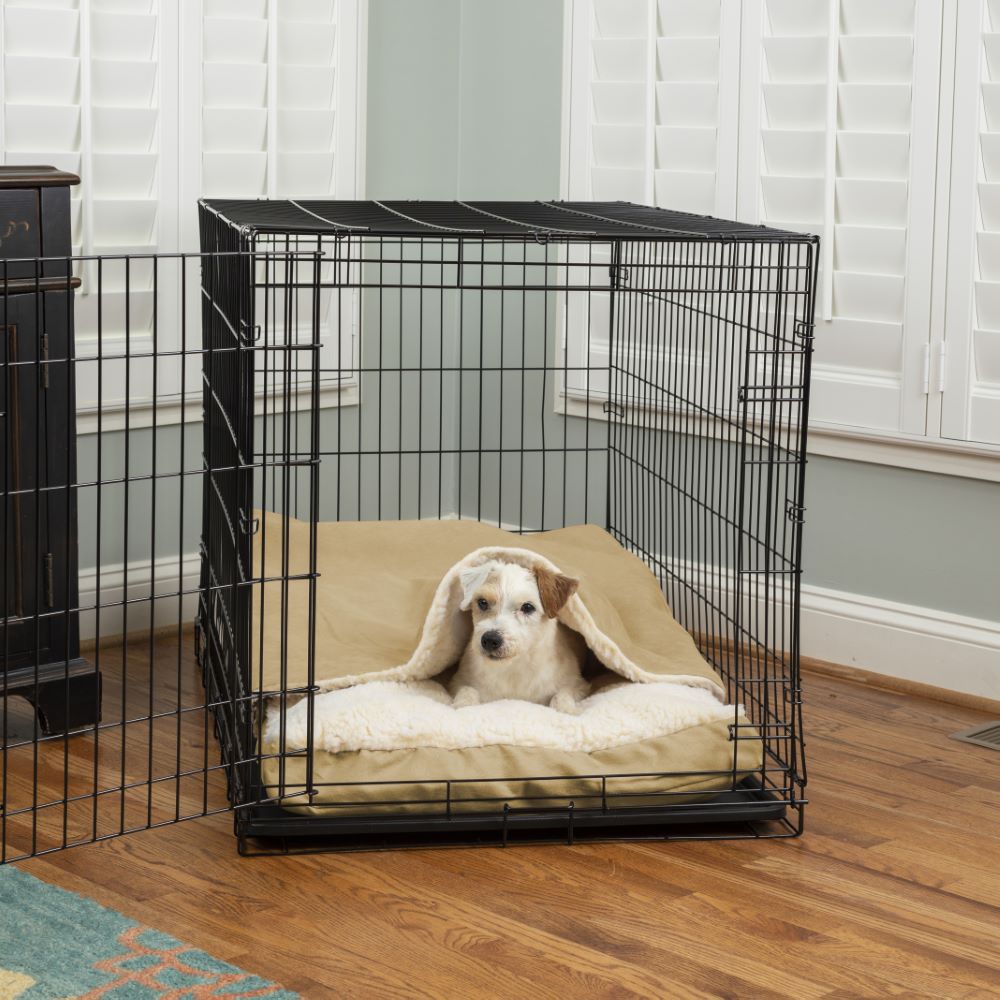
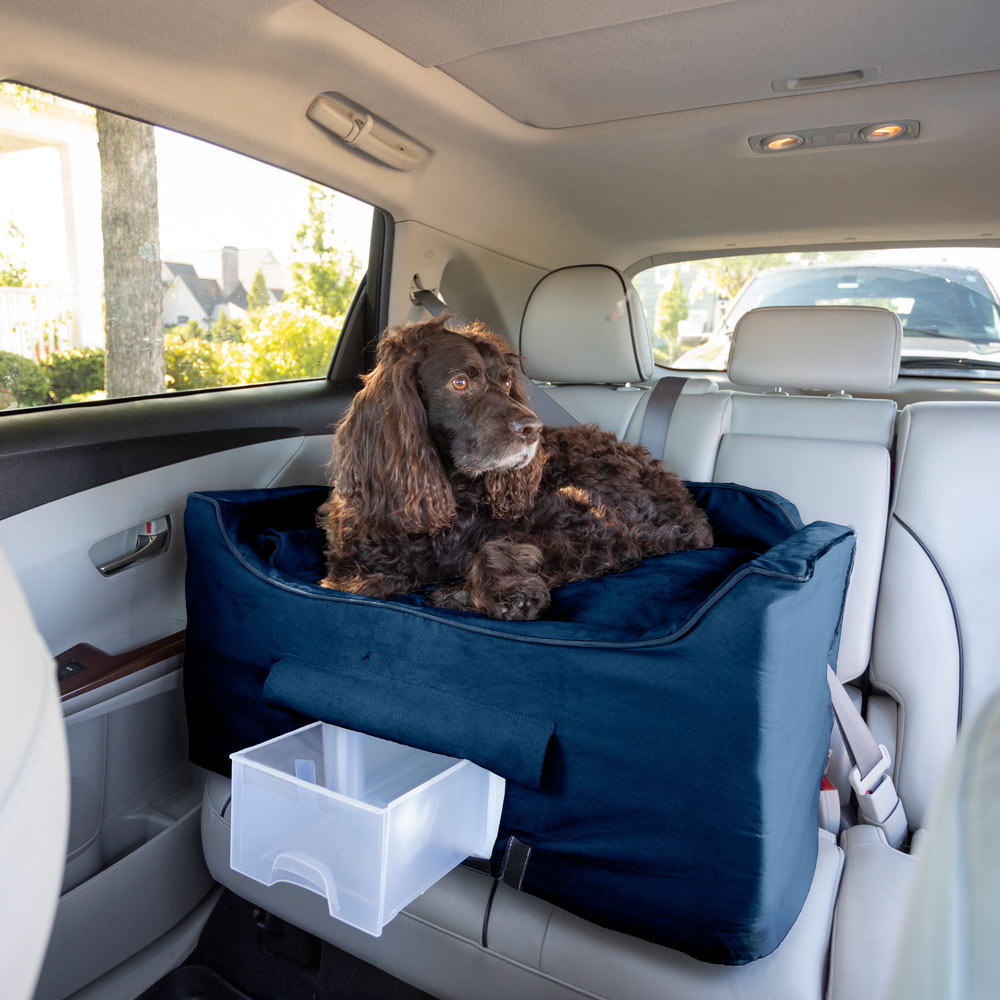
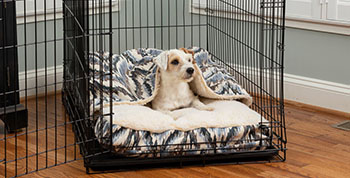
Your dog deserves a luxurious dog bed so they can get the best night’s sleep – with room to settle comfortably. Check out our large variety of premium dog beds at Snoozer to find the one that’s right for your dog. You’ll find orthopedic dog beds for older and mobility-challenged dogs, cozy hooded dog beds for pups that like to snuggle and burrow, dog sofas for the ultimate in lounging, and so much more. Check the individual product page for current materials, care information, and warranty terms. Give your best friend the gift of great sleep!When to ask for veterinary help
Contact your veterinarian about new, repeated, forceful, or otherwise unusual sleep episodes. If you suspect a seizure, seek veterinary advice promptly. Keep your hands away from your dog’s mouth and do not shake them awake. A comfortable bed will not prevent dreaming or treat a sleep disorder.
For waking and restlessness rather than brief sleep noises, read how to help your dog sleep through the night. To compare resting surfaces, see the Cozy Cave mattress guide.
Sources and further reading
American Kennel Club: sleep twitching and when to consult a veterinarian; VCA Animal Hospitals: unusual sleep behavior.
 Next read
Why do dogs sleep with their tongues out?
Read next →