No products in the cart.






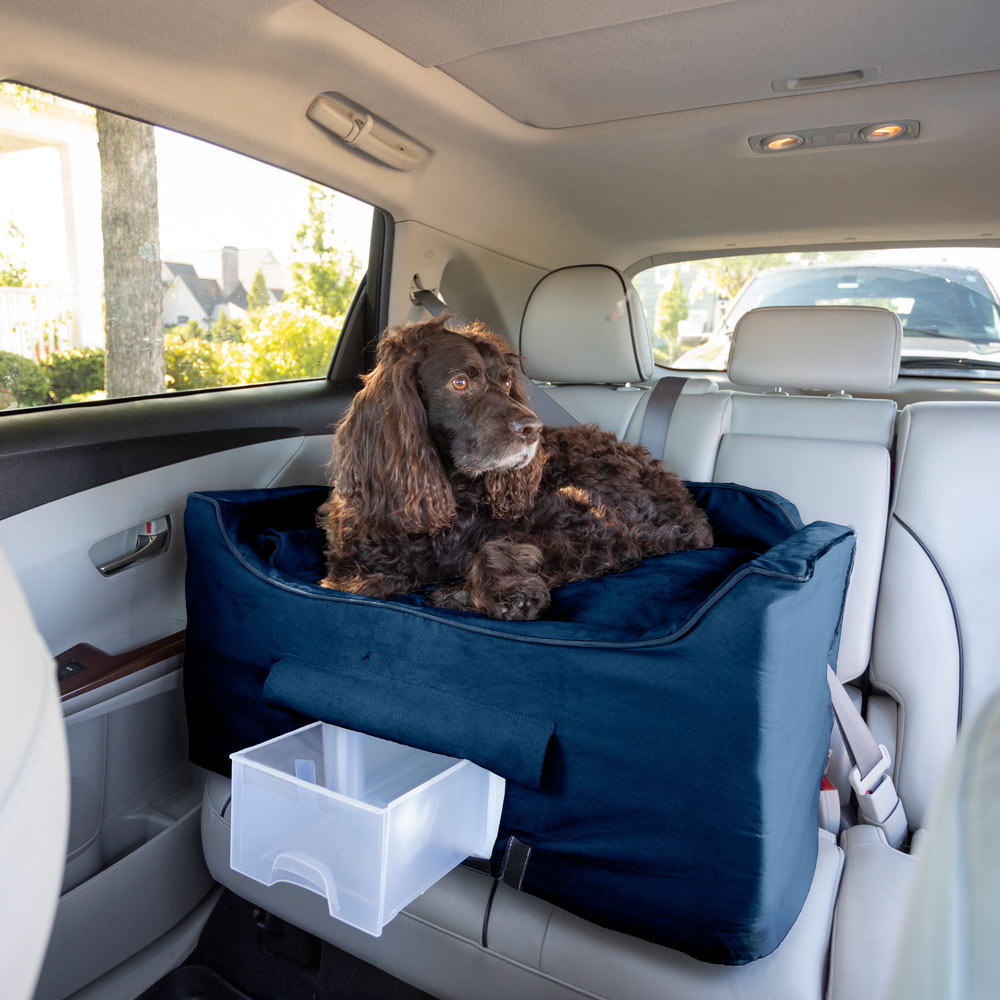




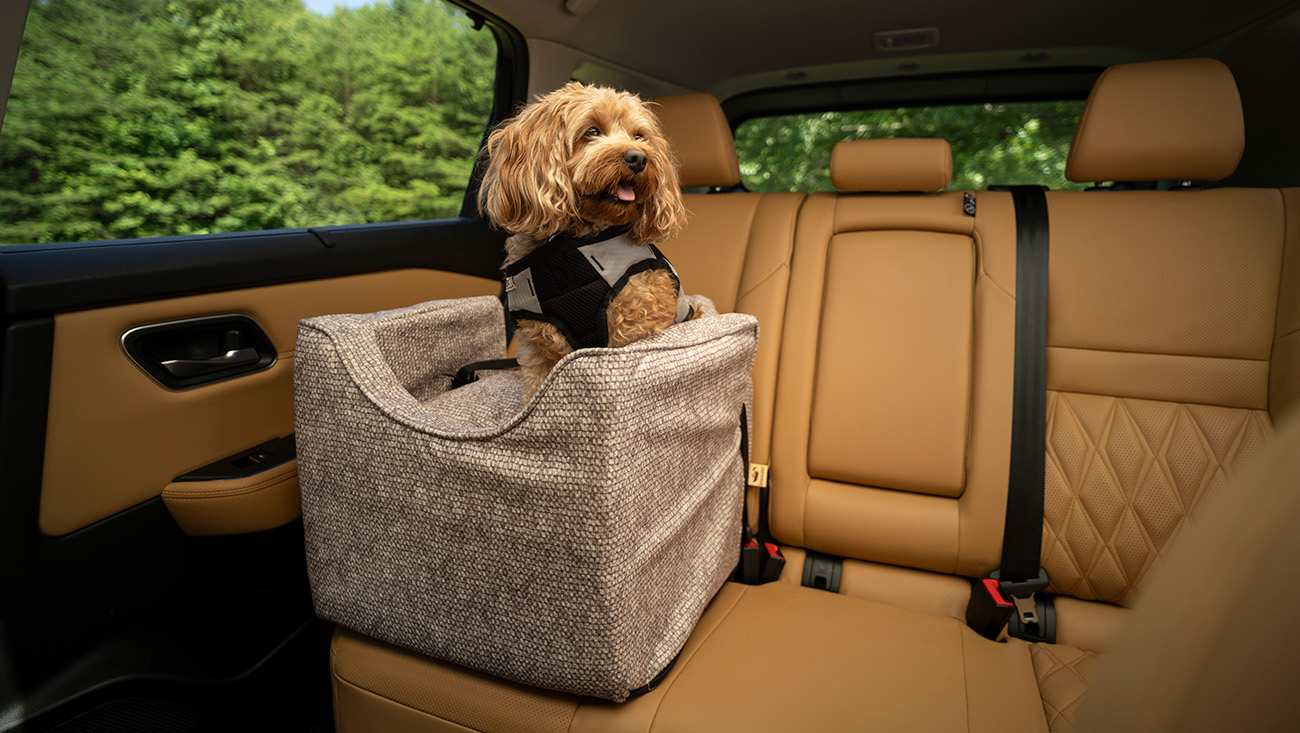
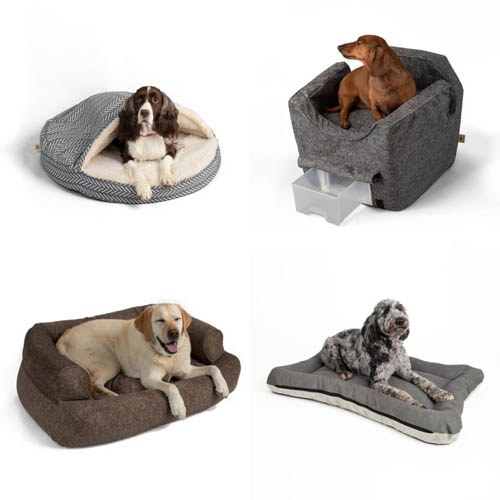
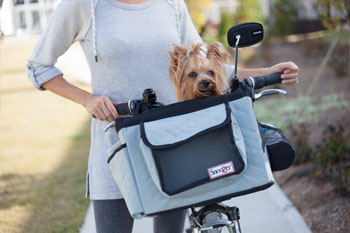
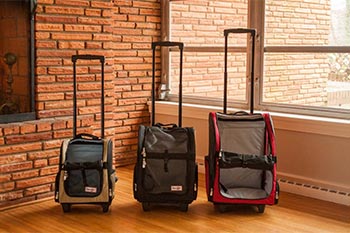



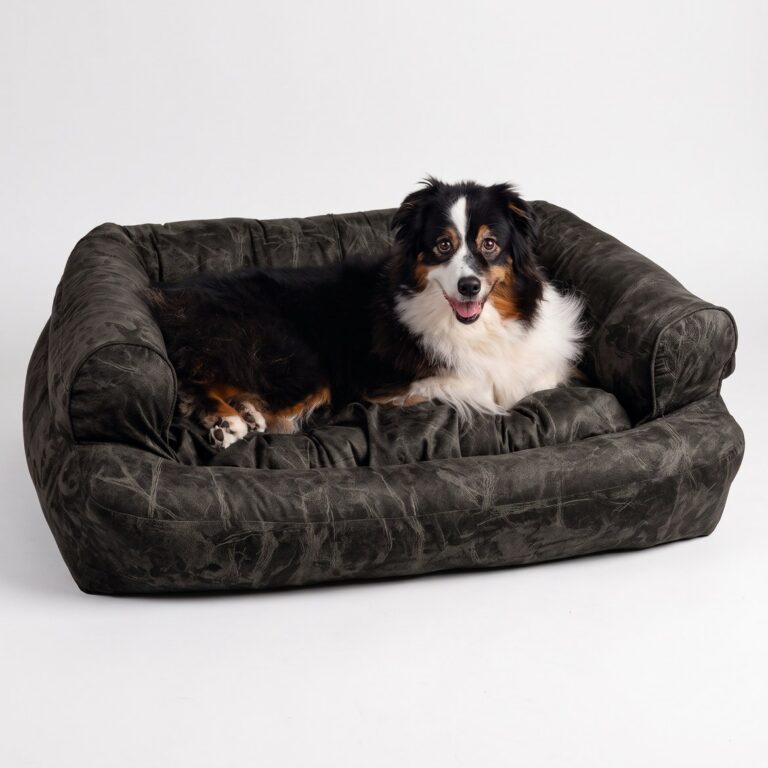
Quick answer: Keep your dog in the back seat in a properly fitted harness attached to a secured vehicle restraint, or in a well-ventilated carrier that is anchored so it cannot slide. A dog car seat can provide a defined, elevated place for a small dog, but it still needs to be installed according to its instructions and connected to the dog’s harness. Keep pets clear of airbags and never let a dog ride on the driver’s lap.
A secure setup protects more than the dog. It reduces driver distraction and keeps a roaming pet from moving into the footwell, climbing into the front seat or being thrown around during a sudden stop.
Choose the right restraint method
The best option depends on the dog’s size, the vehicle and the product’s instructions.
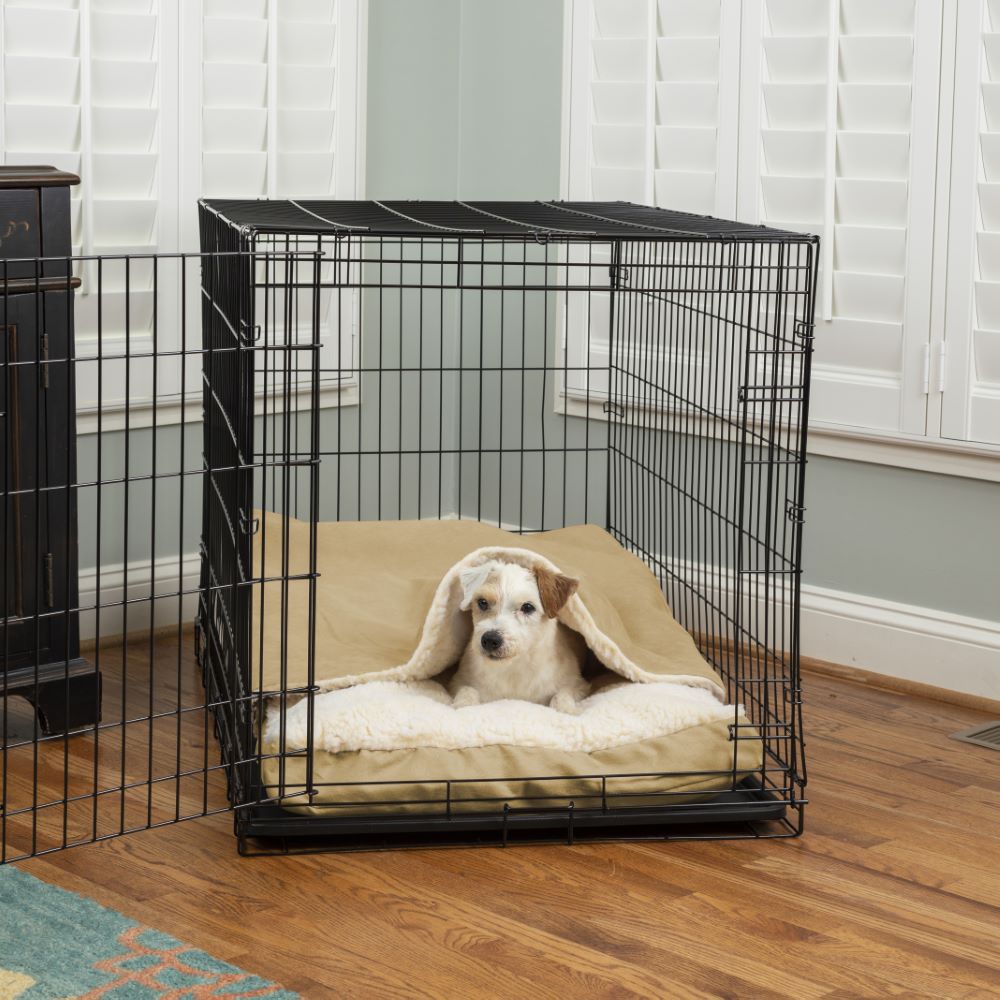
- Secured carrier or crate: The dog should be able to stand, sit, lie down and turn around. Anchor the carrier so it cannot slide or tip.
- Vehicle harness: Use a travel-appropriate harness connected to an approved anchor or seat-belt system. Follow the harness maker’s instructions.
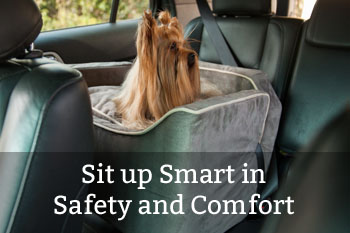
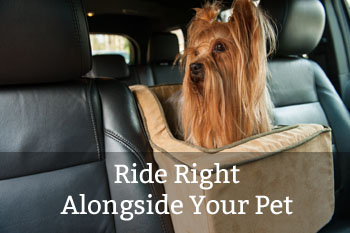
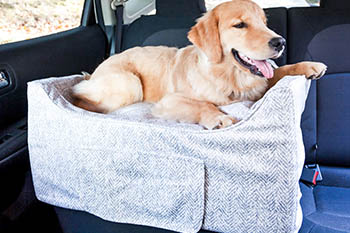
- Dog car seat: A booster-style seat can give a small dog a consistent place to sit or lie down. The seat must be secured to the vehicle, and its connection strap should attach to a harness.
How to install a dog car seat step by step
-
Choose the back seat. The CDC and AVMA advise keeping restrained dogs in the back seat and away from passenger-side airbags.
-
Measure before installation. Make sure the dog fits the interior and the seat fits the vehicle position without covering the buckle or interfering with another passenger.
-
Secure the seat to the vehicle. Route the vehicle belt or attachment straps exactly as the product instructions show. Pull out slack and confirm the seat cannot slide freely.
-
Put the dog in a properly fitted harness. Do not attach a car-seat tether to a neck collar.
-
Clip the connection strap to the harness. Use the harness attachment point recommended by the product maker.
-
Adjust the tether. Give the dog enough room to sit and lie down, but not enough to climb out, reach the front seat or become tangled.
-
Test before driving. Apply gentle pressure in several directions. Recheck the belt, straps, harness and clip.
-
Start with short trips. Help the dog learn that the restraint is a normal part of riding in the car.
How Snoozer Lookout seats connect
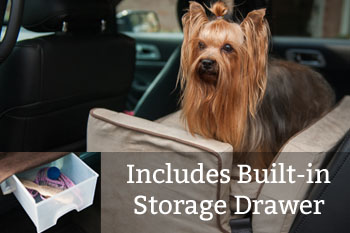
A Snoozer Lookout® dog car seat is designed to hook into the vehicle seat-belt system. An internal connection strap clips to the dog’s harness. The elevated foam seat gives small dogs a comfortable place to ride and see out, while the removable cover can be washed.
Lookout seats are not represented as crash-tested restraint systems, and no pet seat guarantees protection in an accident. Use the product as directed and treat it as one part of a complete travel setup.
How much tether slack should a dog have?
The dog should be able to sit, turn and lie down without pulling against the strap. The tether should be short enough that the dog cannot jump out of the seat, reach the driver, fall into the footwell or wrap the strap around the body. Recheck the adjustment after the dog changes position.
What not to do
- Do not let a dog ride on the driver’s lap.
- Do not leave a dog loose in the passenger compartment.
- Do not attach a restraint tether to a collar.
- Do not place a pet in an airbag deployment zone.
- Do not allow a dog to ride with their head out of the window.
- Do not assume a product fits because the dog is under the listed weight. Measure the body and the vehicle.
- Do not leave a pet unattended in a parked vehicle.
Make the restraint easier for a nervous dog
Introduce the harness and seat while the vehicle is parked. Reward calm investigation. Let the dog sit in the installed seat for a short period, then take a brief drive and gradually build duration. A familiar blanket or toy can help, provided it does not interfere with straps or create a chewing hazard.
If car sickness, panic, breathing difficulty or severe distress continues, speak with a veterinarian. A product can improve positioning and comfort, but it is not a substitute for medical or behavior guidance.
Frequently asked questions
Is a dog car seat the same as a crash-tested harness?
No. A booster seat and a crash-tested restraint are different product categories. Review the claims and instructions for each product instead of assuming one provides the certification of another.
Should a dog ride in the front passenger seat?
The AVMA advises keeping dogs out of the passenger seat when the vehicle has airbags. The back seat is the default choice for most dogs.
Can I use a collar with a car-seat tether?
No. Attach the tether to a properly fitted harness to avoid putting sudden force on the neck.
Should the dog be able to stand in the seat?
The dog may be able to sit or stand briefly, but the tether should prevent climbing out. A good fit also gives the dog enough interior room to lie down.
Build a better back-seat setup. Compare Lookout® booster dog car seats and review the installation guide for the exact model before every trip.
 Next read
Benefits of a waterproof dog bed
Read next →